
Volume 4, Issue 1
June 2026
- Pages 1–64
- 13,553 reads
- 3,106 downloads
- ISSN 2960-1959
-
Original Articles 4 articles
-
Social Media Use in Neurology: An Analysis of Alzheimer's Information on TikTok with Emphasis on Role of Healthcare Professionals
Original Articles
Social Media Use in Neurology: An Analysis of Alzheimer's Information on TikTok with Emphasis on Role of Healthcare Professionals
IntroductionAlzheimer's disease (AD) is the most common neurodegenerative cause of dementia. Social media has become a major source of information for patients and families. This study is the first to explore the quality, source, and content of AD videos on TikTok with emphasis on the role of healthcare professionals (HCPs).
MethodsA cross-sectional analysis was conducted on April 30, 2025, on AD videos on TikTok, including the data of usernames, video title, date of posting, and days since uploaded, video duration, video sources or uploader, content type, and engagement metrics. The DISCERN tool, a 15-item questionnaire for judging the quality of written consumer health information on treatment choices, was used to evaluate the quality of health information. Statistical analysis was conducted using R Statistical software.
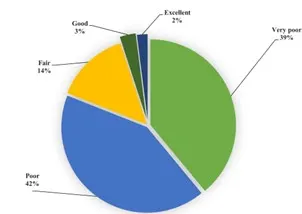
ResultsIn total, 100 videos of the hashtag Alzheimer's were deemed eligible with median (interquartile range) engagement metrics: 4201.00 (300.25 to 66775.00) likes, 131.50 (13.00 to 1071.00) comments, and 438.00 (43.00 to 3414.00) shares. HCPs streamed only 33% of videos. There were videos about therapy suggestions (10%), disease descriptions (30%), and lifestyle (16%). The majority had poor (42%) and very poor (39%) quality. Videos by HCPs had more medical content with higher quality despite insignificant differences in engagement compared to non-HCP videos.
ConclusionThis study revealed an overall poor quality of public information on AD on TikTok, with a paucity of essential information, with minor contributions from HCPs. HCPs and organizations should provide creative, systematic plans to enhance public awareness on social media.
Keywords Alzheimer Public health TikTok Social Media Dementia Awareness All subjects
Barw Medical Journal. 2026;4(1):6–12
-
Epithelial-Myoepithelial Carcinoma of Salivary Glands: A Tertiary Center Experience
Original Articles
Epithelial-Myoepithelial Carcinoma of Salivary Glands: A Tertiary Center Experience
IntroductionEpithelial-myoepithelial carcinoma (EMC) is a rare, biphasic malignant tumor affecting the salivary glands. It represents less than 1% of all salivary gland tumors. This study aims to present a single-center experience regarding the diagnosis, management, and prognosis of EMC.
MethodsThis study was conducted between February 2020 and December 2025. Patients with a histopathologically confirmed diagnosis of epithelial-myoepithelial carcinoma were identified. Complete medical records containing demographics, clinical presentation, imaging results, histological features, treatment approaches, and follow-up results were included in the cases.
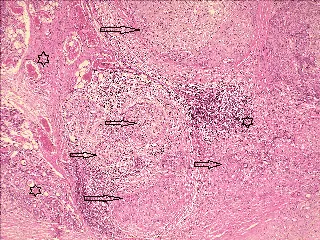
ResultsFive patients were identified, of which 4 (80%) were females. The mean age was 56 ± 9.38 years. Two patients (40%) presented with painless post-auricular swelling, 1 (20%) with submandibular swelling, and 2 (40%) were incidental findings. Histopathological examination confirmed EMC in all cases. Free margins were achieved in 3 tumors (60%). No recurrence was observed during a mean follow-up of 24 ± 28.92 months.
ConclusionEpithelial-myoepithelial carcinoma is a very rare tumor. It requires histopathological evaluation for accurate diagnosis, and complete surgical excision offers favorable short-term outcomes. Further studies are needed to better define its clinical characteristics and outcomes.
Keywords Epithelial-myoepithelial carcinoma Salivary gland neoplasm Parotidectomy Biphasic tumor All subjects
Barw Medical Journal. 2026;4(1):13–18
-
Clinicopathological Characteristics and Survival Outcomes of Breast Cancer in Young Women
Original Articles
Clinicopathological Characteristics and Survival Outcomes of Breast Cancer in Young Women
IntroductionBreast cancer in young women, defined as diagnosis before 40 years of age. It is characterized by poorer outcomes compared with older patients. Regional data on the disease in the Middle Eastern population remain limited. This study focused on the clinicopathological profile of young women with breast cancer.
MethodsThis retrospective, single-center cohort study was conducted between February 2018 and February 2025. Demographic, clinical, pathological, treatment, and follow-up data were extracted from electronic medical records. Inclusion criteria were women under 40 years diagnosed with primary breast cancer. Patients with incomplete records or without surgical treatment were excluded.
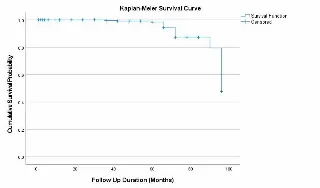
ResultsA total of 564 patients with a median age of 36 years (IQR: 5) were included. A breast mass was the predominant chief complaint (85.5%), and 74.7% presented within 3 months. Median tumor size was 25 mm. Invasive ductal carcinoma was the predominant subtype (88%). Triple-negative breast cancer was identified in 73 patients (12.9%), of which 76.1% were Grade III (p<0.001). Negative estrogen and progesterone receptor status was significantly associated with Grade III (p<0.001). Wide local excision was performed in 67.0% of cases. Overall survival was 98.5% at 60 months.
ConclusionHigh tumor grade was significantly associated with triple negative breast cancer, ER-negative, and PR-negative status, but not with HER2 status. Symptom duration showed no association with tumor size. Ki-67 was significantly higher in Grade III tumors, reinforcing the aggressive phenotype of breast cancer in young women
Keywords Breast Cancer Triple negative Prognosis Young women All subjects
Barw Medical Journal. 2026;4(1):19–26
-
Clinical Profile and Surgical Outcomes of Pediatric Umbilical Pilonidal Sinus
Original Articles
Clinical Profile and Surgical Outcomes of Pediatric Umbilical Pilonidal Sinus
IntroductionUmbilical pilonidal sinus (UPS) is a rare form of pilonidal disease (PNS) predominantly affecting young individuals. Owing to its low incidence, data on risk factors and optimal management remain limited. This study aimed to investigate UPS in the pediatric age group and evaluate the efficacy of surgical management.
MethodsA retrospective, single-center cohort study was conducted over five years, including patients aged ≤18 years diagnosed with UPS. Clinical, demographic, and risk factor data were collected from medical records. All patients underwent surgical management under local anesthesia, with follow-up to assess healing and recurrence. Descriptive statistical analysis was performed using SPSS version 27.0.
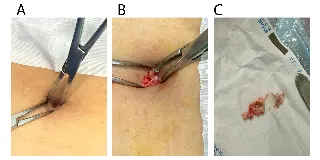
ResultsA total of 42 cases (mean age 16.4 ± 1.48 years) were included. Males comprised 22 (52.4%) of cases. Dense body hair was observed in 29 (69.0%) of patients, and 15 (35.7%) reported a positive family history, and obesity was common (median body mass index (BMI) was 25.9 (IQR: 22.5–29.0)). Surgical treatment achieved successful healing in 40 (95.2%) of cases, with a low recurrence rate of 1 (2.4%).
ConclusionSurgical management showed favorable outcomes with high healing and low recurrence rates, supporting its effectiveness in pediatric patients. However, larger multicenter studies are needed to clarify risk factors and optimize management strategies
Keywords Umbilical pilonidal sinus Pediatric Risk factors Surgical management All subjects
Barw Medical Journal. 2026;4(1):27–32
-
-
Review Articles 2 articles
-
Non-Recommended Publishing Lists: Strategies for Detecting Deceitful Journals
Review Articles
Non-Recommended Publishing Lists: Strategies for Detecting Deceitful Journals
The rapid growth of open access publishing (OAP) has significantly improved the accessibility and dissemination of scientific knowledge. However, this expansion has also contributed to the emergence of non-recommended journals (NRJs) and non-recommended publishers (NRPs) that exploit researchers by offering rapid publication without maintaining proper peer-review standards. Such practices threaten the credibility of scholarly communication and may lead to the dissemination of low-quality or unreliable research. In response to this challenge, several initiatives have developed lists and monitoring systems to help researchers identify potentially NRJs. This study reviews major NRPs and NRJs evaluation platforms, including Beall’s List, Cabells’ Predatory Reports, Kscien’s List, Predatory Reports, Academic Journal Predatory Checking (AJPC), the Early Warning List of International Journals, Kanalregister, the Open Access Journal List, the Journal Insights Predatory List, and the International Journals Blacklist. The review examines their objectives, operational approaches, strengths, and limitations in identifying deceptive publishing practices. The findings indicate that while these lists serve as useful preliminary screening tools, they vary in transparency, accessibility, evaluation criteria, and governance structures. Some rely on expert assessment, whereas others apply automated or bibliometric methods. Despite their usefulness, no single list can comprehensively identify all NRJs, and misclassification may occur. Therefore, researchers should use these tools cautiously and combine them with independent evaluation of journal credibility to ensure responsible publishing and maintain the integrity of scientific communication.
Keywords Non-recommended publishers Beall’s list Kscien’s list Cabells’ list Non-recommended journals All subjects
Barw Medical Journal. 2026;4(1):33–41
-
Surgical Outcomes Following First Rib Resection for Neurogenic Thoracic Outlet Syndrome: A Systematic Review of 1,334 Operated Sides
Review Articles
Surgical Outcomes Following First Rib Resection for Neurogenic Thoracic Outlet Syndrome: A Systematic Review of 1,334 Operated Sides
IntroductionNeurogenic thoracic outlet syndrome (NTOS) is the most common subtype of thoracic outlet syndrome and results from compression of the brachial plexus within the thoracic outlet. First rib resection (FRR) is considered the cornerstone of surgical management in patients with refractory symptoms, although postoperative outcomes remain variably reported. This systematic review aimed to evaluate the outcomes, complications, and recurrence rates of FRR in the management of NTOS.
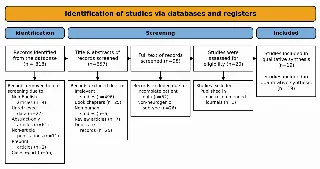
MethodsA systematic review was conducted using Google Scholar, supplemented by artificial intelligence-assisted searches. Original studies reporting postoperative outcomes following FRR for NTOS were included. Data regarding patient characteristics, surgical approaches, postoperative outcomes, complications, and recurrence were extracted and analyzed descriptively. Comparative analyses between surgical approaches were performed using Chi-square testing.
ResultsNineteen studies involving 1,334 operated sides were included. Most studies were cohort studies (73.68%). Females represented 75.44% of reported patients. Successful postoperative outcomes were observed in 87.08% of analyzable cases. No statistically significant difference in success or recurrence rates was identified between the open approaches. A total of 170 complications were recorded among operated sides managed via the transaxillary approach. Pneumothorax was the most frequently reported complication in both the transaxillary (n = 99, 20.58%) and supraclavicular (n = 7, 2.68%) approaches. The overall recurrence rate was 1.50%.
ConclusionFirst rib resection is a safe and effective surgical intervention for NTOS, yielding favorable outcomes with low recurrence across a broad range of operative approaches. Neither the choice of surgical approach nor the extent of rib resection significantly influences surgical success.
Keywords Surgical decompression Brachial plexus Transaxillary approach Supraclavicular approach Postoperative outcomes Recurrence All subjects
Barw Medical Journal. 2026;4(1):42–54
-
-
Case Reports 2 articles
-
Pilarowski–Bjornsson Syndrome with Congenital Heart Defect: A Case Report and Literature Review
Case Reports
Pilarowski–Bjornsson Syndrome with Congenital Heart Defect: A Case Report and Literature Review
IntroductionPilarowski–Bjornsson syndrome (PILBOS) is a rare autosomal dominant neurodevelopmental disorder caused by heterozygous variants in chromodomain helicase DNA-binding protein 1 (CHD1), a gene encoding an adenosine triphosphate (ATP)-dependent chromatin remodeler. Since its initial description in 2018, only a limited number of cases have been reported in the literature.
Case PresentationA 4-month-old male infant presented with persistent hypotonia and recurrent focal seizures beginning in the neonatal period, accompanied by severe global developmental delay. Brain magnetic resonance imaging (MRI) was structurally normal. Whole exome sequencing identified a heterozygous de novo CHD1 variant (NM_001270.4: c.797C>T; p.Pro266Leu), classified as a variant of uncertain significance. Echocardiography revealed a medium-sized secundum atrial septal defect with right-sided chamber dilatation. The clinical course was complicated by recurrent lower respiratory tract infections and progressive respiratory distress.
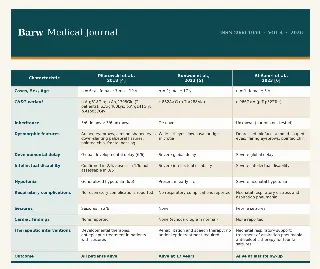
Literature ReviewReview of eight previously reported cases confirms global developmental delay and hypotonia as universal features of PILBOS (8/8, 100%). Dysmorphic craniofacial findings were present in 7/8 (87.5%) cases, and seizures occurred in 3/8 (37.5%). Intellectual disability was confirmed in 3/8 (37.5%) and not assessable in a further 3/8 (37.5%). Respiratory complications were documented in 1/8 (12.5%) cases. De novo inheritance was confirmed in 4/8 (50%) cases. No structural cardiac defects have been documented in any previously reported case, and all 8/8 (100%) patients were alive at last follow-up.
ConclusionFindings from this case suggest that structural congenital heart defects may represent an underrecognized component of the PILBOS phenotypic spectrum. Further case reports and functional investigations are required to establish whether cardiac involvement constitutes a consistent feature of CHD1-related disease.
Keywords Chromodomain helicase DNA-binding Proteins Neurodevelopmental disorders Atrial septal defect Exome sequencing All subjects
Barw Medical Journal. 2026;4(1):55–59
-
Torsades de Pointes Following Ondansetron Administration: A Case Report with literature review
Case Reports
Torsades de Pointes Following Ondansetron Administration: A Case Report with literature review
IntroductionOndansetron blocks human ether-à-go-go-related gene (hERG) potassium channels, causing QT prolongation and risk of torsades de pointes (TdP). Despite its widespread use, TdP following a standard intravenous dose is rarely reported. This report presents a case of a 40-year-old female who developed TdP after receiving an 8 mg intravenous dose of ondansetron.
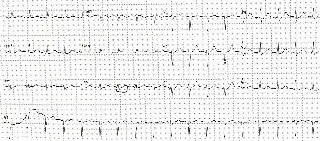
Case PresentationA 40-year-old female with no significant past medical history presented with vomiting and diarrhea. Approximately 30 minutes after receiving 8 mg of intravenous ondansetron, she developed TdP requiring cardioversion. Laboratory results revealed mild hypokalemia (3.12 mmol/L). Post-event troponin elevation and Grade I diastolic dysfunction suggested transient myocardial involvement. She was stabilized with potassium replacement and supportive care, with full recovery.
Literature ReviewFive cases of ondansetron-induced TdP were reviewed. Patient ages ranged from 41 to 60 years, one case (20%) involved oral administration and four cases (80%) involved intravenous administration. Doses ranged from standard 4 mg to cumulative 36 mg infusions, with QTc intervals reaching up to 653 ms. Presenting events included TdP, ventricular tachycardia, and cardiac arrest. Symptom resolution and recovery were achieved in all cases following medical intervention and electrolyte correction.
ConclusionThis case highlights that standard-dose ondansetron can precipitate TdP in physiologically unstable patients.
Keywords Ondansetron Torsades de pointes QT prolongation Hypokalemia Drug-induced arrhythmia All subjects
Barw Medical Journal. 2026;4(1):60–64
-
-
Letter to the Editor 1 article
-
Corrigendum 1 article